


How to Secure a Betting Account Against Common Risks
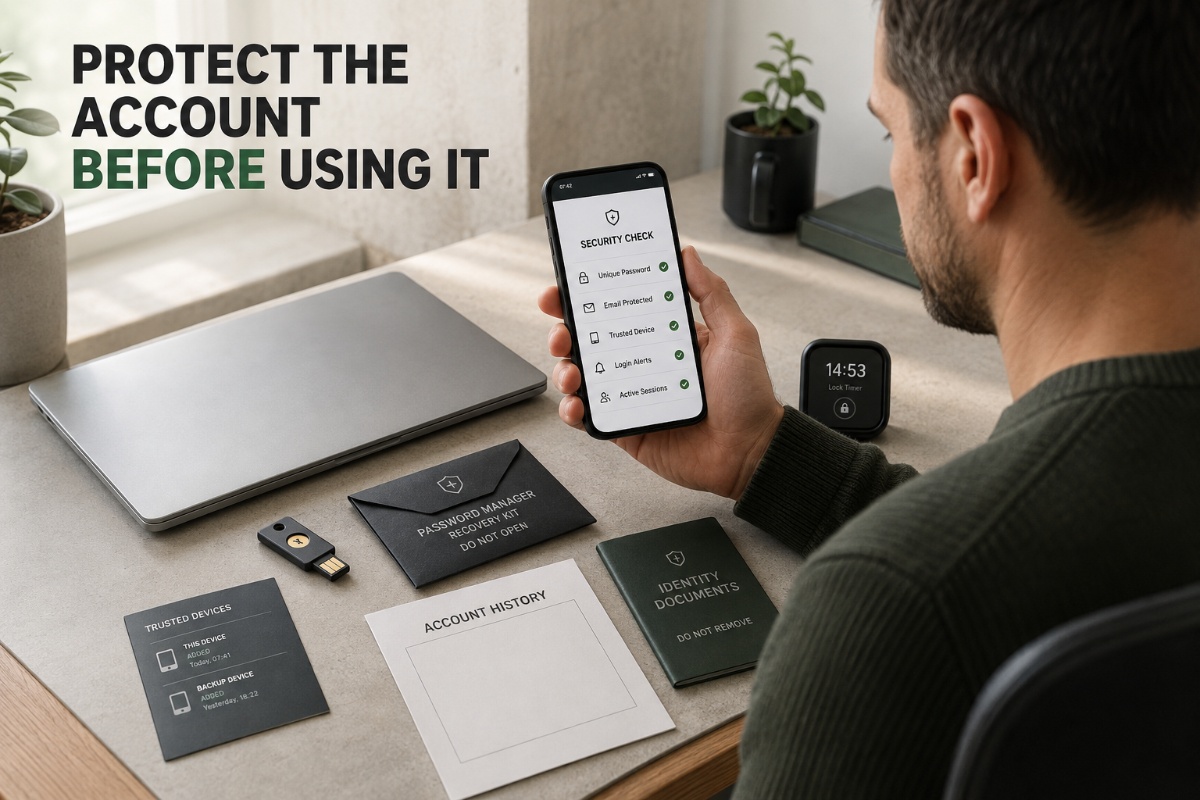
Betting account security starts with controlling how the account is created, accessed, recovered, and monitored. A strong password helps, but it is only one part of the process. Users also need to protect the registered email, recognise unofficial login pages, review payment activity, and react quickly when something looks unusual. These betting account security checks reduce avoidable risks without assuming that any platform or device is immune from compromise.
Use a unique password built for one account
The first betting account security rule is to avoid reusing a password from email, social media, shopping, or another betting site. If one service is exposed, reused credentials can be tested elsewhere. A unique password limits the damage to one account and makes suspicious access easier to contain.
Use a long passphrase or a password manager-generated password. Length matters more than replacing letters with predictable symbols. Avoid names, birthdays, favourite teams, phone numbers, and phrases visible on public profiles. Store the password in a reputable password manager rather than a note, chat message, or unprotected spreadsheet.
This first account protection checklist should confirm that the password is unique, long, stored securely, and not shared with anyone.
Protect the email linked to the account
Betting account security depends heavily on the registered email because password resets, login alerts, verification requests, and support messages may pass through it. If the email is compromised, an attacker may be able to reset the betting password even when the original password remains strong.
Use a separate, unique password for the email and enable multi-factor authentication where available. Review the recovery email, phone number, forwarding rules, and active sessions. Remove unknown devices and check whether any automatic forwarding rule sends messages to an unfamiliar address.
Enable extra login protection where available
Multi-factor authentication can strengthen betting account security by requiring a second proof beyond the password. An authenticator application or security key is generally harder to intercept than a code delivered through ordinary text messaging, although the exact options depend on the platform.
Save backup codes in a secure offline location. Do not store them beside the password or send them through chat. Never approve an unexpected login prompt. If a code arrives when no login was attempted, change the password and review recent sessions.
Where Gembet offers additional security controls, confirm their current availability inside the verified account settings rather than relying on an old guide or third-party download page.
Verify the login page before entering credentials
Many betting account security failures begin on a copied login page rather than inside the genuine platform. A fake page can resemble the brand closely while collecting usernames, passwords, and one-time codes.
Open the platform through a verified bookmark or manually confirmed address. Check the full domain, not only the logo or page design. Be cautious with links in unsolicited messages, social posts, adverts, shortened URLs, and search results that imitate support or account-recovery pages.
Keep one trusted device for sensitive tasks
Betting account security is easier to manage when deposits, withdrawals, password changes, and identity uploads are completed on a trusted personal device. Shared computers, borrowed phones, public terminals, and devices with unknown software create unnecessary exposure.
Keep the operating system, browser, and security software updated. Use a device lock with a PIN, password, fingerprint, or face recognition. Configure the phone or computer to lock automatically after a short period of inactivity.
Avoid unknown networks during account changes
Public Wi-Fi is convenient, but betting account security is stronger when sensitive tasks use a trusted home network or personal mobile connection. Unknown networks can expose users to fake access points, redirected pages, and connection interruptions.
Separate login problems from suspicious activity
An expired session, incorrect password, temporary restriction, and unknown login are different situations. Betting account security requires reading the exact message before acting. Repeatedly submitting credentials can create more lockouts and make the original problem harder to diagnose.
| What appears | Likely meaning | Safer response |
|---|---|---|
| Session expired | The authenticated session ended | Close old tabs and start a fresh verified login |
| Incorrect password | The credentials did not match | Use the official recovery process once |
| Too many attempts | A temporary protection may be active | Stop retrying and follow the displayed instruction |
| Unknown login alert | Someone may have attempted access | Change credentials and review active sessions |
| Account detail changed | An unauthorised modification may have occurred | Contact official support immediately |
The second account protection checklist should record the exact message, time, device, browser, and network before any recovery step is taken.
Review active sessions and remembered devices
Some platforms show active sessions, remembered browsers, or logged-in devices. These tools support betting account security by helping users identify access they do not recognise. Sign out of old phones, public devices, and browsers that are no longer used.
After changing a password, end all existing sessions where that option is available. A password change is less effective if an old authenticated session remains active. Review the list again after recovery to confirm that only trusted devices remain.
Protect identity and payment information
Betting account security also covers verification documents and payment details. Upload identity files only through the secure route inside the verified platform. Do not send documents through social-media messages, unofficial support accounts, or links supplied by strangers.
When contacting support, mask unnecessary payment details. A support request may need the transaction date, amount, method, and reference, but it should not include a full card number, password, security code, or one-time code.
Check that the payment method belongs to the registered account holder. Mismatched ownership can create verification problems and make suspicious transactions harder to resolve.
Use notifications as security alerts
Login, password, payment, and withdrawal notifications can improve betting account security when they are configured carefully. Enable alerts that report actual account changes. Read them promptly and compare the time and action with your own activity.
Do not follow a link inside an unexpected alert automatically. Open the verified platform separately and check the account history. Attackers can copy the appearance of legitimate notification messages to create urgency.
Check account history after every sensitive action
Betting account security benefits from a short review after deposits, withdrawals, password changes, and support interactions. Confirm that the transaction or account update appears with the expected date, amount, method, reference, and status.
If a confirmation screen disappears, check the account history before repeating the action. Submitting the same deposit or withdrawal twice can create duplicate requests when the first action was received successfully.
On the current Gembet interface, review open wagers, casino activity, deposits, withdrawals, bonuses, and account-setting changes after any unusual login event. Availability and record labels may vary, so use the live account history as the final reference.
Recognise common account-security scams
Betting account security is weakened by messages that create urgency or promise special access. Common warning signs include requests to “unlock” an account for a fee, claims that a password or one-time code is needed for verification, offers to recover losses, and links to modified applications.
- Official support should not ask for the account password.
- No legitimate helper needs a one-time authentication code.
- A withdrawal should not require payment to a personal account.
- Security software or browser extensions should not come from an unknown chat contact.
- Guaranteed recovery or guaranteed winnings are not credible security services.
Stop the conversation, preserve screenshots without exposing credentials, and contact the platform through the verified support route.
Respond quickly to signs of compromise
If an unknown login, password reset, payment, withdrawal, or profile change appears, betting account security becomes an incident-response task. Start with the linked email account because it may control recovery. Change the email password, enable stronger authentication, and end unknown email sessions.
Next, reset the betting password through the official page and sign out of other sessions. Review account records and note every unfamiliar action. Contact official support with the account reference, dates, transaction IDs, device information, and a concise timeline.
Build a five-minute betting account security review
The final account protection checklist can be completed once a month:
- Confirm that the registered email and recovery details are correct.
- Review active devices and end sessions that are no longer needed.
- Check recent login, payment, withdrawal, and profile activity.
- Update the browser, device, password manager, and security applications.
- Verify that account limits and support details remain easy to find.
Betting account security habits that matter most
Betting account security works best as a layered system. Use unique passwords, secure the linked email, enable additional authentication, access the account through a verified route, and keep sensitive tasks on a trusted device and network. Monitor active sessions, notifications, payment records, and account changes rather than assuming a successful login means everything is normal.
Security also depends on restraint. Do not share access, install unofficial software, follow urgent recovery links, or disclose one-time codes. When suspicious activity appears, protect the email first, reset access through the official process, preserve records, and contact verified support. These steps cannot eliminate every risk, but they make account misuse harder and recovery more organised.
Experience the real deal with SG's top Live Dealers. Play Baccarat, Roulette & more.

